Although her trip into the MCU was far bumpier than desired, there’s no denying that Oscar-winning director Chloe Zhao is a remarkable filmmaker. All the praise from her 2017 debut The Rider still carries, and it’s tough to forget her historic Oscar run with Nomadland back in 2020. Now, though, her latest film, Hamnet, builds a bigger legacy for her that culminates in a deeply emotional glimpse into a literary icon’s personal tragedy.
The film, based on Maggie O’Farrell’s 2020 novel of the same name, is a fictional dramatization of the marriage between Agnes Hathaway (Jessie Buckley) and William Shakespeare (Paul Mescal) and the tragic death of their son Hamnet (Jacobi Jupe) that inspired Shakespeare to write Hamlet. As much as that description screams “biopic,” Hamnet feels more like an original drama that lets the aura and intrigue of Shakespeare’s work fill the atmosphere. The awe-inducing forest Agnes retreats to not only allows for Zhao to do what she does best (give nature settings a palpable, powerful soul), but also feels ripped from one of Shakespeare’s stories. There are nods to Shakespeare’s works that organically influence the plot and heighten the emotion. Moments like Shakespeare concocting lines for Romeo and Juliet shortly after meeting Agnes or his three children portraying the three witches from Macbeth in a playful scene will leave fans of his work absolutely gushing. It’s what gives the film’s richer themes surrounding love and grief a connective backbone and allows the emotion of the moment to leave a greater impact.
However, despite William Shakespeare being a clear force in the film’s story, Hamnet is about Agnes and William, together. Although the early pacing moves a little too quickly, causing Agnes and William’s connection to feel surface-level and overly fated, their love has an irresistible pull. The spark they share from their first encounter feels everlasting, as two outsiders find solace in each other. There’s a deep warmth in their bond—especially considering the cold rebuke they constantly face—and it’s what makes seeing them build their life together so fulfilling. It’s also kind of fun to see Shakespeare and his work as a playwright fueling his own family’s sense of creativity and freedom, and it helps that Buckley and Mescal are giving it their all from the first second they appear.
Both Buckley and Mescal have been thriving up-and-comers ever since their incredible breakout performances in films like Wild Rose and Aftersun, respectively. Here, though, they deliver monumental performances that rarely lose their power. Mescal perfectly evokes the profound sense of wonder and longing that still makes Shakespeare and his work one of a kind. His presence embodies those feelings of someone with special, untapped potential walking in front of you and he’s able to wrestle with the conflicting emotions within Shakespeare for a truly complex portrayal. He’s a key factor in Hamnet humanizing Shakespeare as an artist, and the sheer heartache and passion he brings to paying homage to what he’s lost through Hamlet is legitimately earth-shaking.
As for Buckley, well, she’s an emotional powerhouse who never loses grip on you as she weaves through immense tragedy as Agnes. The strength she displays as someone harboring wrought emotion from the loss of her mother and being seen as odd by most makes her instantly compelling. Yet, she also brings a vulnerability and displays emotional scarring that cuts so deep as tragedy besieges this family in cruel fashion. Buckley is a force of her own in Hamnet who leaves audiences gripped throughout and the scenes where she breaks down in unbridled agony are captivating. Personally, it’s one of the best performances of the year and she’s a clear, deserved frontrunner for Oscar glory.
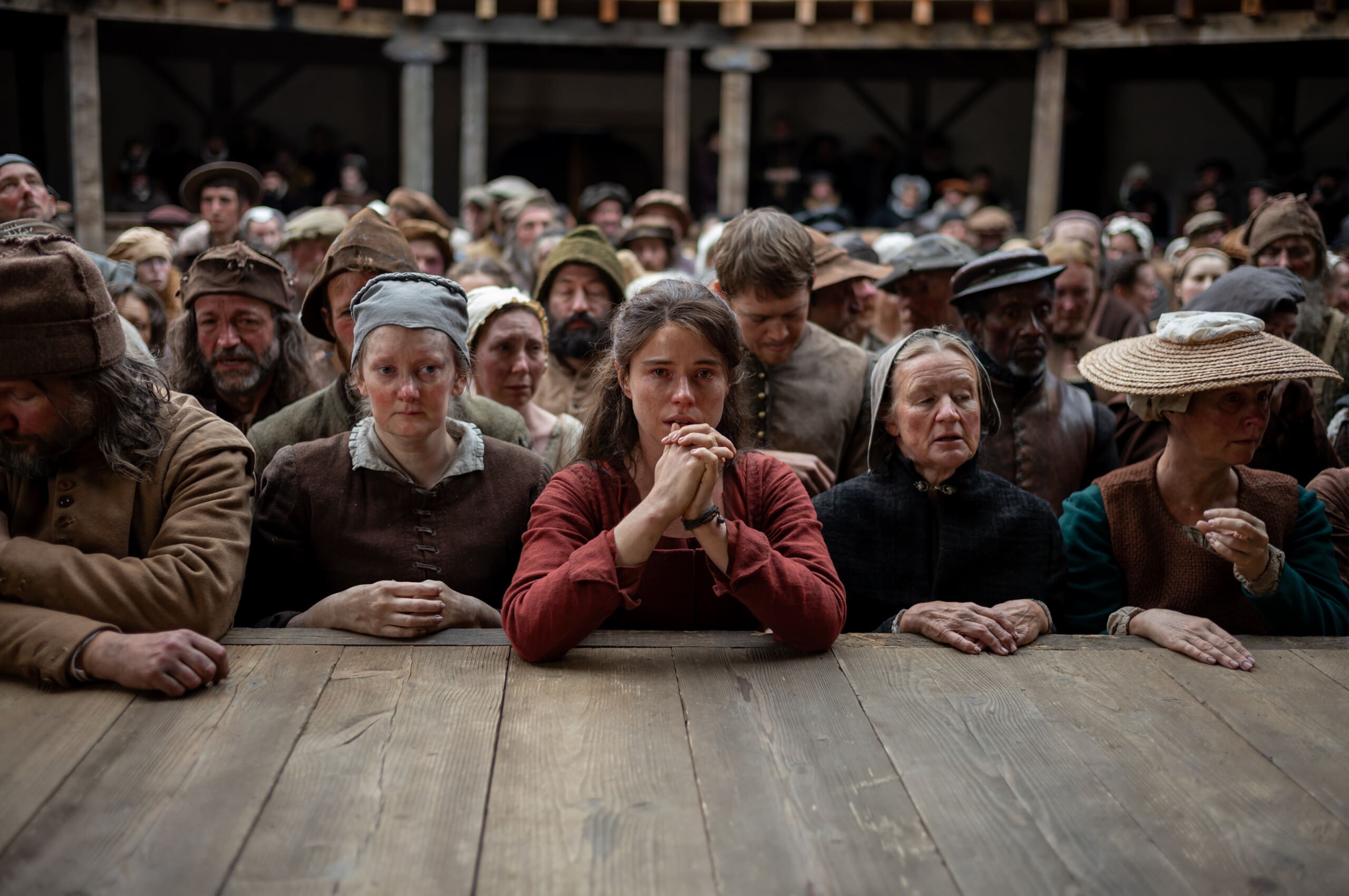
Where everything comes together, though, is through Zhao’s confident, tender vision that allows the second half to really leave a lasting mark. While there’s a long stretch of love and affection that lulls you into a state of seemingly unbreakable comfort, there’s an inescapable tragedy that rears its ugly head. Zhao’s depiction of the bubonic plague washing over Europe is as cold and daunting as ever, and the way it creeps into Agnes and William’s home creates an unforgiving stench of death that’s crushingly real. Zhao taps into the rawest form of anguish and loss possible to make the grave losses suffered by Agnes and William devastating. Seriously, it’s a hard fight to keep from weeping in the theater that most will lose, and Buckley elevates the emotion to throw daggers right into your heart. Hamnet might feature some of the most crushing depictions of loss you’ll see this year because of how personal it feels, but Zhao utilizes the tone she creates for an incredible final act.
With the ripples of loss being palpable and creating harsh waves in Agnes and William’s lives, Zhao utilizes the meaning and impact of Hamlet for a cinematic rendition beaming with emotion. It feels like a moment where you get to see the heart and mind behind an iconic piece of work and showcases Shakespeare’s vision at its most human. Plus, there are just so many moments in this final stretch that are sure to be iconic. Noah Jupe’s performance as the titular character is phenomenal and keeps the emotion high. Buckley perfectly showcases Agnes’s inner battle over facing this trauma. There’s a stunning moment where the audience almost literally connects with the story of Hamlet that’s unexpectedly powerful. And those last few shots are so satisfying with how they allow William and Agnes to find genuine closure—wrapping the story in the most elegant bow imaginable.
Hamnet is easily a top film of the year for its poetic story of love and tragedy that’s boosted by career-best performances from Buckley and Mescal as well as Zhao’s incredible ability as a filmmaker. It’s a testament to the thriving talent within Zhao that makes her one of the most respected filmmakers currently working, and Hamnet is an emotional epic that will resonate with audiences far and wide.