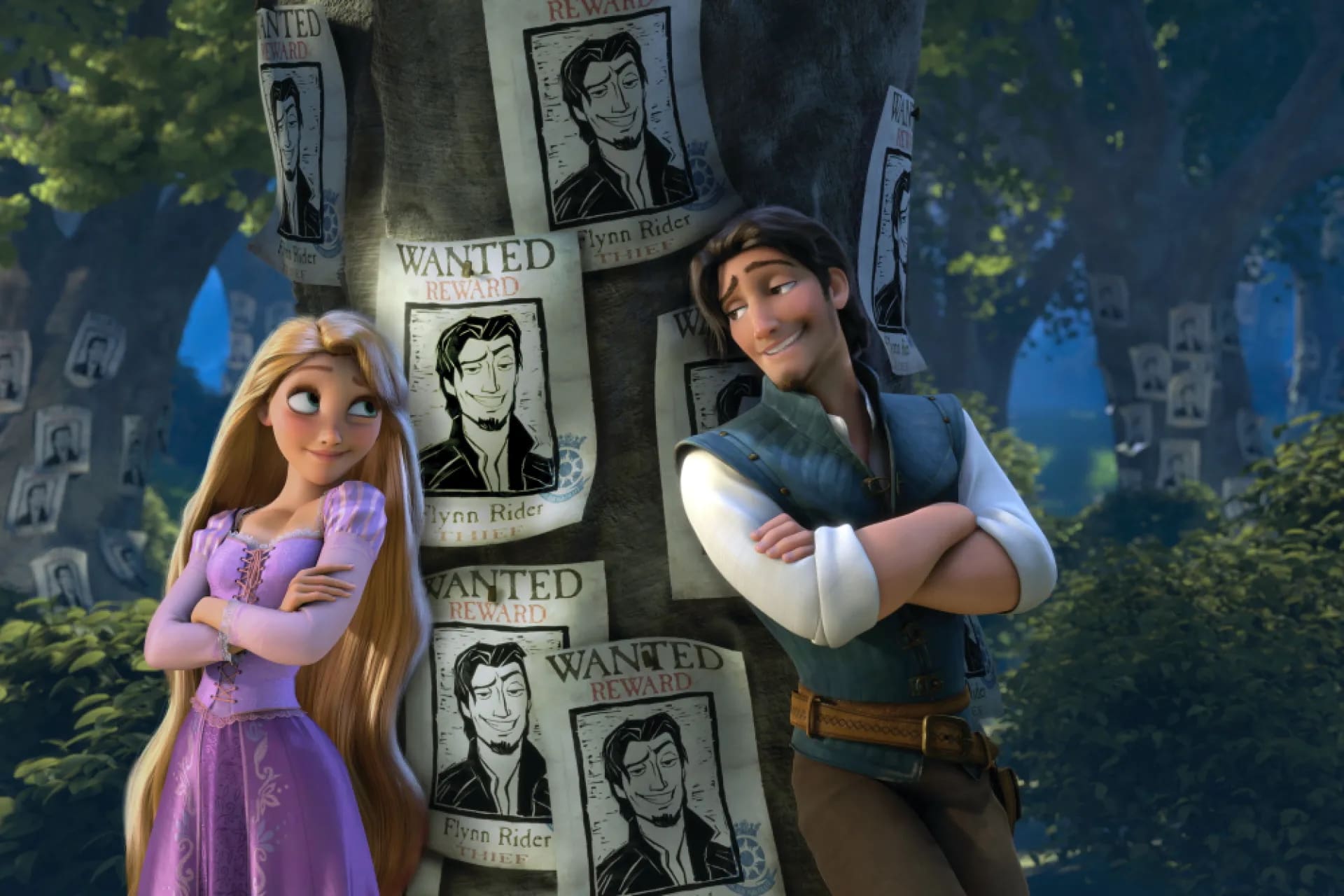
16 years ago, Disney released their take on the fairytale Rapunzel. 2010’s Tangled was an instant classic. Rapunzel, voiced by Mandy Moore, was bubbly, bright and had a beautiful singing voice. In this version, Rapunzel’s hair was not just long, but glowed with healing powers when she sang a special incantation. As a baby, princess Rapunzel was kidnapped by a vain witch Mother Gothel, who used Rapunzel’s hair to keep herself youthful. On her 18th birthday Rapunzel escaped Gothel’s clutches with the help of renowned thief Flynn Rider.
In the following years Disney would expand the Tangled franchise with a short film Tangled Ever After (2012), and a Disney Channel series Rapunzel’s Tangled Adventure (2017-2020). With Tangled being so beloved, it was only a matter of time until a live action remake was announced. Recently, Disney confirmed that Teagan Croft was cast by Disney to play Rapunzel with Milo Manheim as Flynn Rider. There has not been any confirmed release date; though it’s likely that the film will be released in 2027 since it is currently in pre-production.
However the question remains, what purpose does a live-action Tangled adaptation serve? The TV series expanded the universe of Tangled with a complex magic system for those craving more lore regarding Mother Gothel and the Sundrop. The Tangled franchise even experiments with both 3-D and 2-D animation. Tangled (2010) uses high budget life-like 3-D animation while Rapunzel’s Tangled Adventure employs a 2-D painterly style.
With this breadth of Tangled content available, shouldn’t a new addition target a different audience?
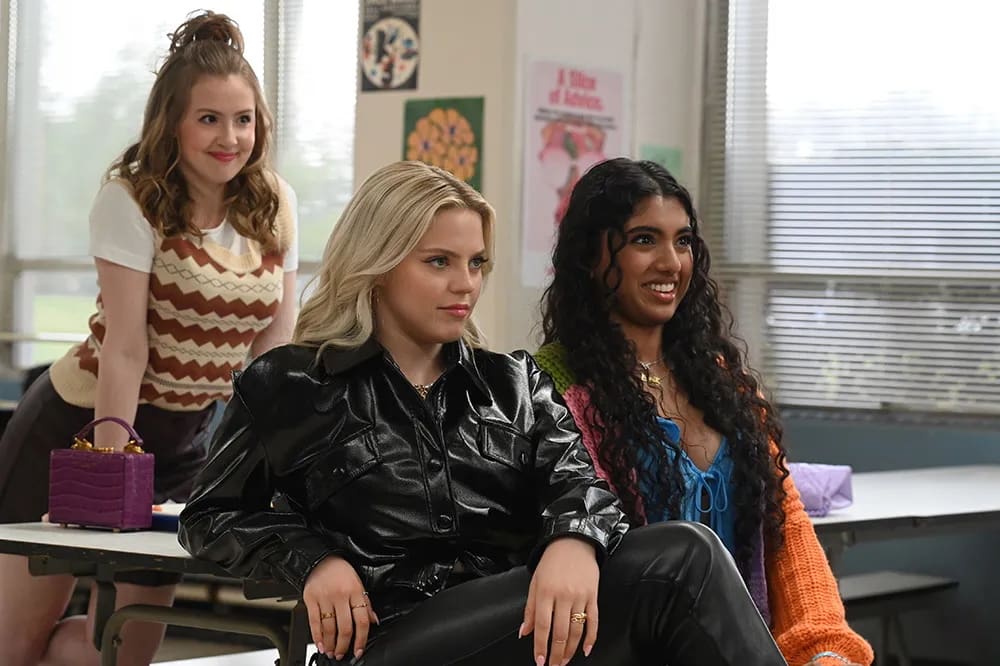
In 2024, rumors swirled that Avantika Vandanapu would be cast as Rapunzel in a live action remake of Tangled (2010). The internet responded with vitriol towards Avantika and the idea of a brown actress playing Rapunzel at all. The rumor started when a user on X shared a tweet that has since been deleted stating that Milo Manheim and Avantika Vandanapu were screen testing for a Tangled adaptation. It is important to note that at this time Disney had not announced that a live-action Tangled was even in production.
Avantika has the large animated eyes characteristic of any Disney princesses but especially essential for portraying a curious Rapunzel. Her performance in Mean Girls (2024) shows that she possesses the vocal talent needed to play Rapunzel. In the Mean Girls adaptation, Avantika also sported long locks as Karen, leading to the Rapunzel fancasts, and her complexion and features are well complemented by many shades of purple.
In an interview discussing what playing Karen means to her, Avantika shared that it was important to her to be cast as a desi woman for a character that is “unanimously considered beautiful.” Whether or not Avantika is considered beautiful enough to play Rapunzel is at the heart of the controversy; those who campaign for her right to portray the princess see her beauty and those who only see beauty as white and blonde don’t.
At the time Disney seemed to be open to casting women of color as princesses such as Halee Bailey and Rachel Zegler, as Ariel and Snow White respectively. Despite the racist backlash endured by Halle Bailey which the actress said was “unsurprising” in an interview with The Hollywood Reporter, Rachel Zegler was cast as Snow White. Again, Zegler had to endure racist comments about the casting which were perhaps even more hateful since whiteness and fairness is explicitly part of Snow White’s character. Instead of being named for her snow-like skin, in this version Snow White is named after a harsh snowstorm during her birth.
Due to Halle Bailey’s beautiful braids being showcased in The Little Mermaid (2023) many fans held on to their hopes for South Asian Rapunzel until the recent announcement. Others felt that only a blonde haired white woman should play Rapunzel to match her design in the animated movie, as shown by this TikTok of a woman crying over the casting of Avantika. Fortunately for all those vehemently opposed to Desi Rapunzel, Teagan Croft is blonde and white.
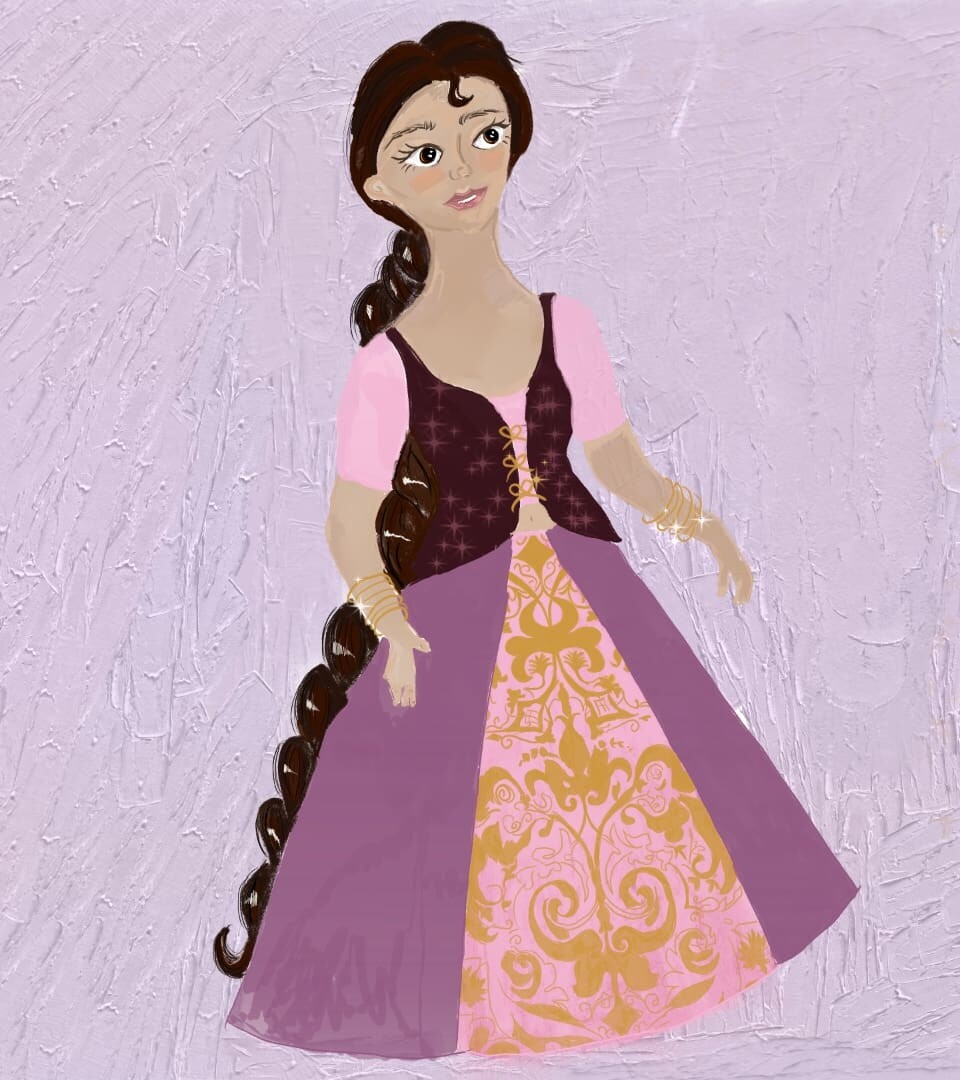
On TikTok many users shared conceptual art for Rapunzel with brown skin and dark hair in response to Disney’s announcement of live-action casting. Rapunzel’s story in no way hinges on her being light skinned and blonde, but Disney has a monetary incentive to cast her as such. The Little Mermaid (2023) underperformed at the box offices of Vietnam, South Korea and China.
The importance placed on Rapunzel’s hair, the protective braids she styles it in and the adornments of flowers resembles practices that South Asian women have been doing for years.
Hair oiling and braiding is a ritual passed down between mothers and daughters, and is a powerful story-telling tool for depicting the dynamic between Mother Gothel and Rapunzel.
Other than her hair Rapunzel’s hobbies and daily routine detailed in “When Will My Life Begin” such as knitting and sewing have a rich history in South Asian households. Her main interest is of course painting, speaking as an artist myself South Asian artists are under-represented in the media. When they are shown it is typically a point of contention between the character and their parents. For example, in The Kite Runner Amir’s father is not supportive of his dreams of becoming a writer. South Asia has a rich artistic history which deserves to be celebrated just as much as the European impressionist style that Rapunzel paints in.
Rapunzel’s identity in the original movie is tied to her hair but it is a burden on her which she is relieved to lose. Rapunzel clearly has a complex relationship with her hair; it is both a core aspect of her identity and something which hinders her physically, emotionally and mentally from escaping. Mother Gothel uses Rapunzel’s hair and the danger that it poses to her safety due to its healing properties to keep her confined within the tower.
Keeping this in mind, hair is a powerful symbol of cultural misogyny that is prevalent in South Asian communities. To further deepen the connection there are cultural norms around hair especially in Islamic communities. It is seen as promiscuous to have hair be seen and a woman who flaunts it, which Rapunzel can be accused of doing simply because of the length of her hair is deemed improper and indecent.
As a child my favorite princesses were Cinderella and Elsa, both light skinned and blonde. I so desperately wanted my hair to be as light as theirs. A princess who looked like me, with dark braided hair she was proud of would have meant so much. Rapunzel could be used to make little South Asian girls feel beautiful and seen in the world of Disney princesses.