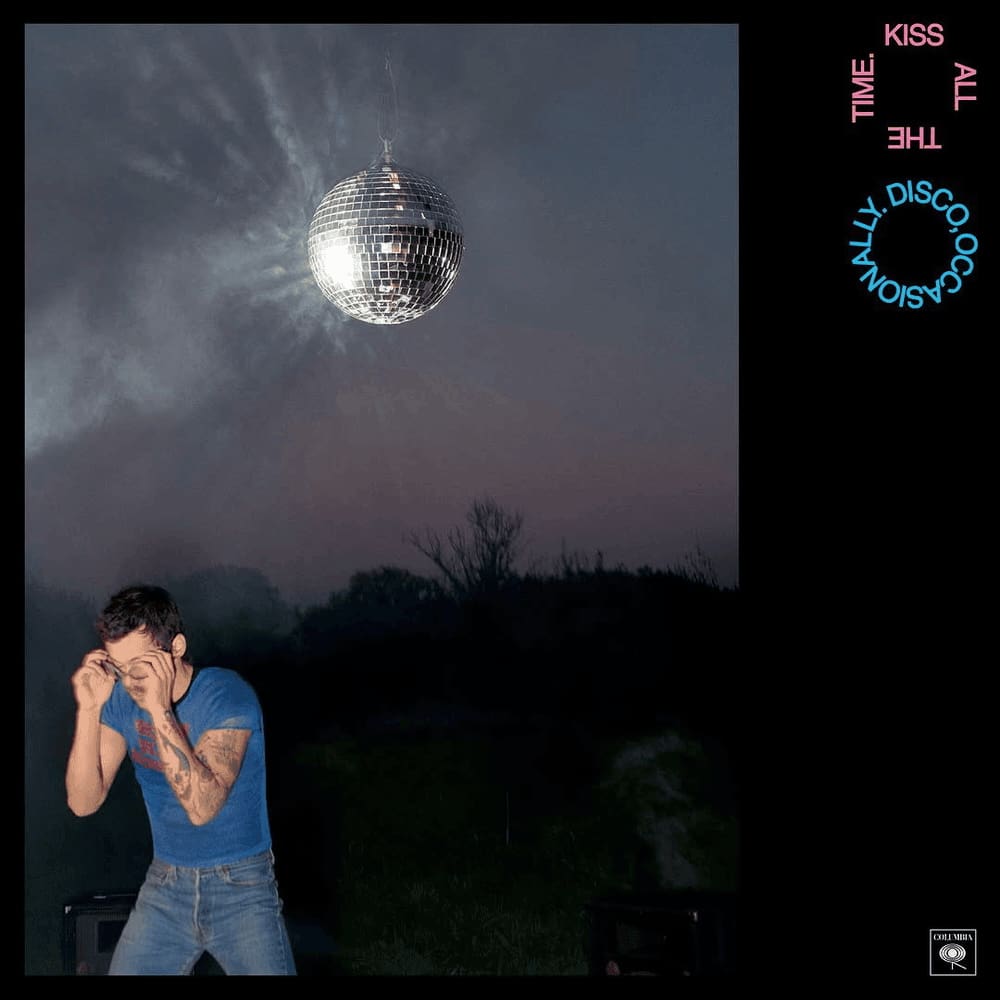
On January 22 at exactly 8 p.m., my roommates and I gathered in our college living room, the glow of a laptop lighting up the space as we waited for Harry Styles’ new single to drop. The second “Aperture” debuted, we hit replay. And then replay again. At least five times in a row, each listen focused on something different, first the production, the lyrics, the buildup, and then finally the feeling. By the end of it, we all shared the same realization: this was the exact sonic shift Harry Styles needed to make.
“Aperture” is a complete left turn from the sound that defined Styles’ previous albums. Where his earlier work leaned into warm guitars and soft rock textures, this track dives headfirst into sleek electro-pop. A soft thread of techno runs in the backtrack, carried by pulsing synths and a hypnotic bassline that feels engineered for movement. The production is clean, modern, and immersive, trading live-band fullness for a more intimate, electronic atmosphere that pulls you straight onto the dancefloor.
On first listen, the song immediately evokes the emotional rush of modern dance-pop. The track resembles the euphoric momentum found in Lorde’s catalog, particularly in the way it builds tension before releasing it in waves. There are also hints of glossy, atmospheric pop influences that give the song a polished edge. Yet “Aperture” never feels like an imitation. Instead, it sounds like Styles absorbing these influences and reshaping them into a sound that feels distinctly his own.
What makes the track so effective is its sense of momentum. “Aperture” unfolds like a cinematic club moment suspended in slow motion with the bass vibrating through the floor, lights flickering overhead, and across the room you lock eyes with someone who suddenly becomes the center of your universe. The song doesn’t rush this feeling. It simmers. Each synth feels like a step closer, each beat tightening the tension. It’s easy to imagine the track soundtracking a charged dancefloor encounter, the kind of intimate moment that feels ripped straight from a romantic drama similar to the scene pictured in Heated Rivalry.
Styles’ vocal delivery matches the production’s restraint. He sings with a controlled intensity, allowing the instrumentation to carry much of the emotional weight. There’s a maturity in his performance that signals an artist deliberately stepping into new territory. Rather than chasing an instant hook, “Aperture” opts for a slow burn. Its payoff comes through atmosphere and buildup, drawing the listener deeper into its rhythm with every passing second.
Perhaps the most striking quality of “Aperture” is how irresistibly danceable it is. The song makes you want to move and not in a festival-ready, arms-in-the-air way, but in the intimate, magnetic way that belongs to dimly lit clubs and late-night connections. It feels like a hit waiting to happen because it understands the power of anticipation.
Listening to it on release night with my roommates, the repetition felt necessary. Each play deepened our appreciation and confirmed that we were hearing a reinvention in real time. “Aperture” captures an artist unafraid to pivot, trading familiarity for experimentation and emerging with a sound that feels both unexpected and inevitable. It’s a club anthem wrapped in introspection, and a reminder that some of pop music’s most exciting moments happen when artists choose to take a completely different route.