
25 years after its initial release, Ginger Snaps has transitioned from a film that, in the words of its own director, “limped out of the gate” to a definitive cornerstone of the horror genre. To celebrate its enduring legacy and a stunning new 4K restoration from the Vestron Collector’s Series, we sat down with the minds behind the Canadian cult classic to discuss why this story of two death-obsessed sisters still resonates so deeply with audiences today.
The Monstrous Metaphor
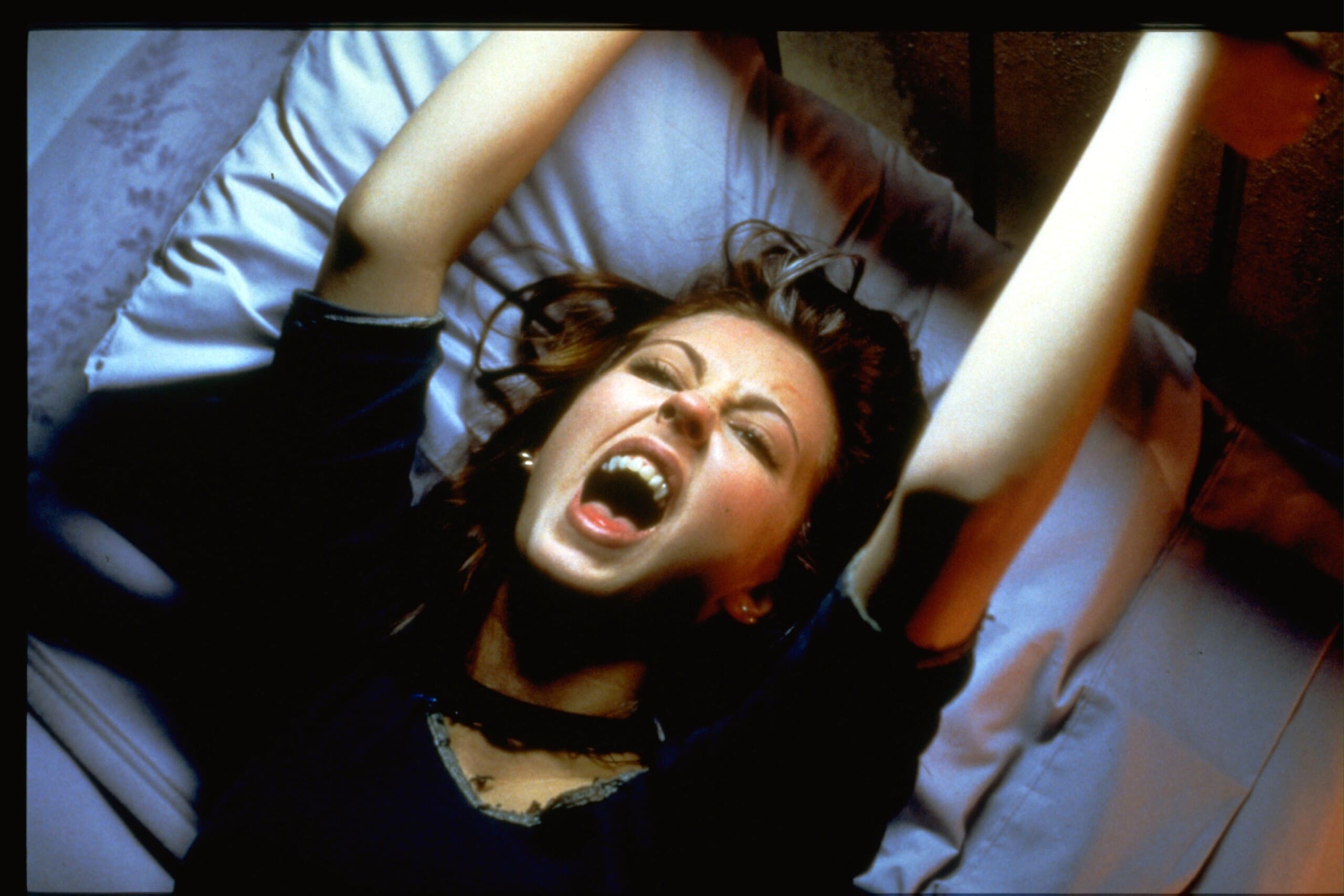
For stars Katharine Isabelle and Emily Perkins, the film’s longevity is rooted in its visceral, uncompromising metaphor for the teenage experience. Isabelle notes that screenwriter Karen Walton’s central werewolf metaphor is timeless because it captures a universal phase of life where the body changes without the individual’s consent.
“It is so timeless because I think we all go through a phase where we don’t know who we are, where our bodies are changing without our consent and changing us into something that we don’t recognize, something that changes how other people approach us,” Isabelle explained. “Everything like that is just so universal. Nobody doesn’t go through that phase regardless of how cool you think you made it through. We’ve all been bullied at one point. We’ve all been insecure or depressed through our teenage years. And I just think it’s so special to see that reflected back to you.”
Perkins suggested that the supernatural elements are necessary to accurately convey the emotional intensity of female adolescence, arguing that it requires the figure of a monster to address how society often constructs female sexuality as something “monstrous.”
“I think it requires the metaphor of the werewolf in order to represent the horror of becoming a woman, to represent that horror accurately,” Perkins says. “It requires a monster to address the construction of female sexuality as monstrous. Things have changed, I would say, or are changing, but the werewolf was really real for me. The supernatural, to me, is the only way to describe cultural meanings in general when they’re really intense and emotionally fraught.”
Baked-In Chemistry
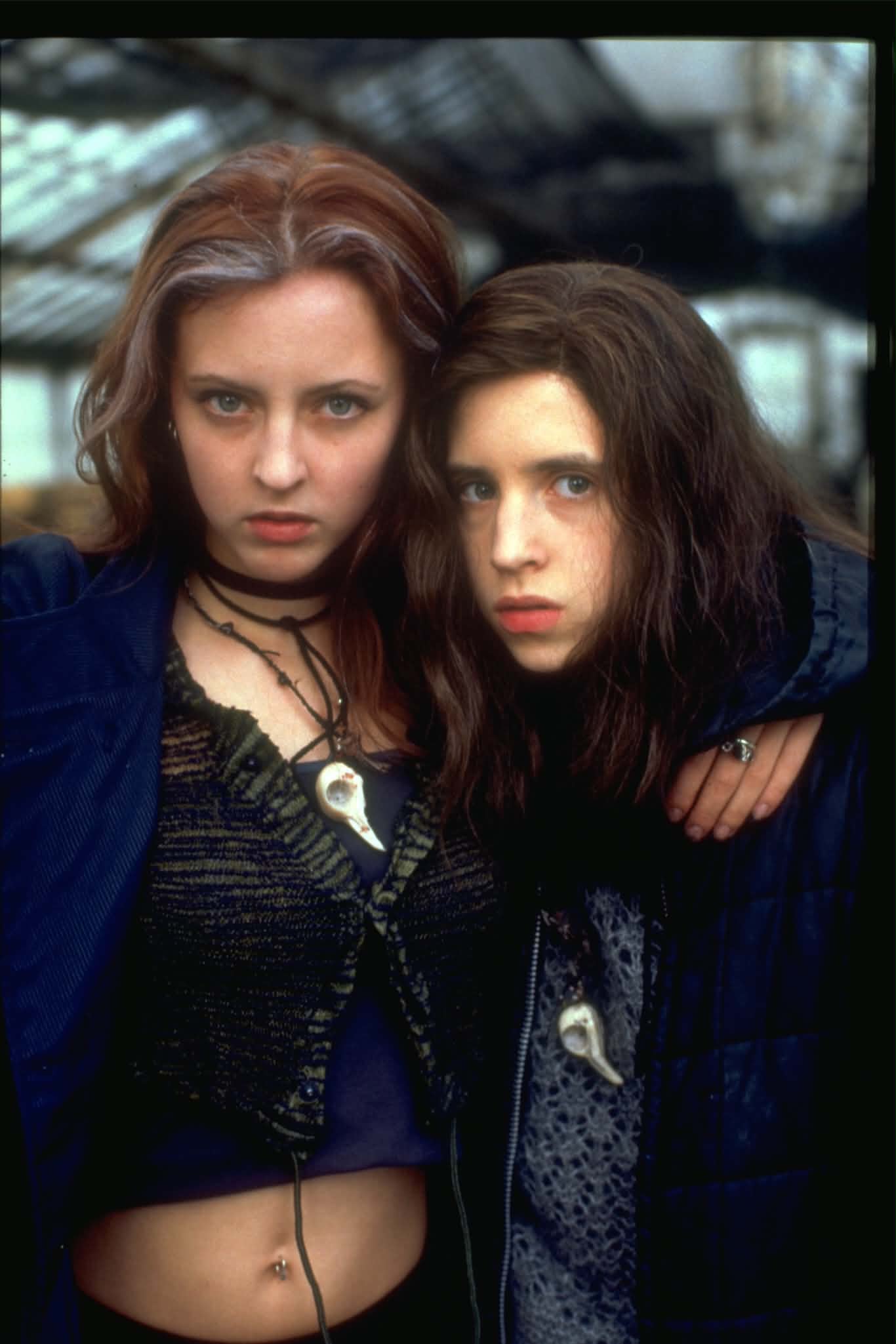
While the writing and metaphors provided the foundation, director John Fawcett attributed the film’s artistic success to the undeniable chemistry between his two leads. Fawcett admitted that while they spent a significant amount of time searching for the perfect sisters across North America, he ultimately “got lucky” finding Isabelle and Perkins in Vancouver.
“Honestly, I just got lucky because Emily and Katie already had a relationship with each other,” Fawcett recalled. “They kind of grew up together, went to the same schools, they shared the same agent. They’d already been in some movie together. They had a familiarity with each other that came kind of baked in and built in. So it wasn’t us getting together trying to rehearse and get to know each other. There was already this closeness and this trust between the two of them. I just really had to be a part of it and create a safe space for them to work in. I just really had to be there and insulate them and make sure that they felt comfortable exploring because there was a lot of intense stuff that we had to do.”
Isabelle described their dynamic as a “lifelong sisterhood” that remains unchanged even decades later. During the production, their real-life personalities mirrored their characters: Isabelle was the “extroverted, goofy” one, while Perkins was the “intellectual, brooding” counterpart.
“We were born in the same hospital, we went to the same preschool and kindergarten,” Isabelle says. “I was already the silly, extroverted, goofy one and she was already the intellectual, brooding, more mature one who was kind of always trying to keep me in check and in line and I was always trying to get her to have more fun. It was really easy to fall into. And I think that’s what comes across on the screen, this sort of charisma between the two of us was undeniable. Even now, I hadn’t seen her in 15 years and she came out to my place the other day. It’s like no time has passed. She’s my forever sister.”
Perkins explained that they complemented each other through a “dynamic cycling of energy,” where her quiet, reflective nature provided a foundation that fueled Isabelle’s confidence on screen.
“I think that I am like the quiet supporter who’s very reflective and it’s like if she can put something out in the world and then she knows that I’m kind of like digesting it, thinking of it, making meaning out of it and then I can reflect it back to her, it just gives her confidence,” Perkins noted. “I think like a lot of dyads or pairs work that way where on the surface it looks like one person is like the show and the other person is just an observer, but in fact there’s like this dynamic cycling of energy that’s happening under the surface.”
Practical Magic
A major component of the film’s staying power is its commitment to practical makeup effects over emerging digital trends of the late 1990s. Fawcett explained that at the time of production, the industry was shifting toward CG effects following the success of Jurassic Park, but a limited budget and a personal love for “old school” horror led him to choose a physical monster suit.
“I felt like we were going to get a better monster with a guy building a suit and doing this all with makeup effects,” Fawcett explained. “And to be honest, it’s part of what got me into making movies in the first place, collecting Fangoria magazine and following all these great special effects makeup artists like Rob Bottin and Dick Smith. I was like, ‘Let’s just do this old school because it’s cool.’”
While Fawcett admitted he was nervous during filming that some effects weren’t working, leading him to cut significant footage of the monster to maintain the mystery, he is gratified that modern audiences have embraced the “charm” of these physical effects.
For Isabelle, the practical effects were a double-edged sword; the prosthetics were so immersive that they began to “strip away” her senses, making her feel disassociated from her own body.
“I definitely had my first panic attack shooting that film for various reasons,” Isabelle admits. “The incredible makeup effects, they do strip away your senses one by one until you feel very disassociated from your body. But that’s so helpful! That’s what she’s going through. She’s going through a disassociation of what her body regularly feels like. Hair, makeup, and wardrobe is really important to me for a character because that’s when I finally feel like, ‘OK, I know her. I can be this person now.’”
From Failure to Cult Icon
It is hard to believe given its current status, but Ginger Snaps was far from an immediate success. Fawcett recalls that the film was initially ignored by mainstream audiences.
“It’s phenomenal that it’s still around and hasn’t faded into the woodwork like a lot of other movies,” Fawcett says. “This has been really gratifying to have created a movie that keeps staying relevant and keeps gaining more and more audience. When we created the film, it really limped out of the gates. No one really saw it. I thought we had created something special, but no, it looked like it was going to be relegated to the annals of cinematic nothingness. Then, we were just lucky. HBO picked this up and played the heck out of it and really probably was a big contributor to it becoming a cult classic. It’s a word of mouth little sleeper hit.”
Isabelle agreed, noting that for the first two years after its release, “literally no one watched it.” The tide turned when it found a dedicated audience through word-of-mouth on video. Perkins realized the film had “legs” when strangers began recognizing her on the street, and she was later amazed to learn that Ginger Snaps had served as a direct inspiration for later genre entries like Jennifer’s Body.
“People would recognize me and say, ‘Hey, like were you in Ginger Snaps?’ and I would just be shocked,” Perkins recalls. “I was always just surprised that people were watching it and it had a little bit of a delayed response and found its audience once it was on video.”
Restoring a Classic for a New Generation
The new 4K restoration represents a full-circle moment for the creators. Fawcett took a “deep dive” into the restoration process, personally supervising the color timing to ensure the film looks “better than it’s ever looked.”
For the cast, the restoration is an opportunity for a new generation of “awesome kids” to discover the film. Isabelle recently attended a screening and was shocked to find a theater full of 17-year-olds — fans who weren’t even alive when the movie was filmed in the fall of 1999 — who still connect deeply with the story.
“I really hope it does find new people,” Isabelle said. “Through the film, people find new friends, they find new found family. They find themselves. I’ve talked to so many fans over the years who have connected so deeply, it got them through grief or through really terrible times in their life. I’m just excited for people to see it crisper and cleaner, more beautiful than ever, and to really check out the amazing prosthetics and practical effects and to just have a good time.”