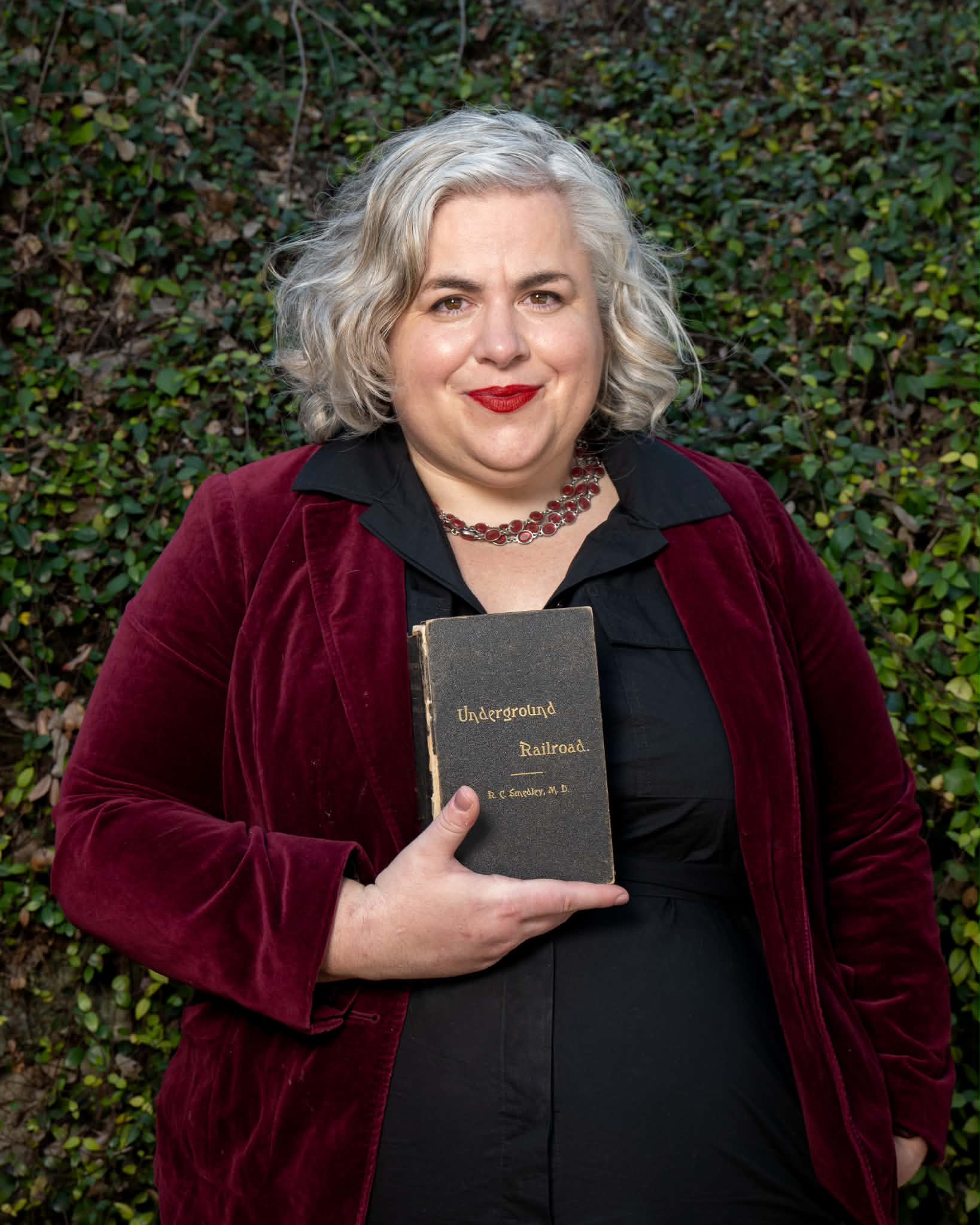
As the United States continues to commemorate the 250th anniversary of American independence, New York Times bestselling author and poet Cristin O’Keefe Aptowicz is examining a forgotten chapter of the nation’s past through an extraordinary historical standoff. Her new narrative nonfiction book, “The Ballad of the Fugitive William Parker,” out now, resurrects a pivotal 1851 conflict in Lancaster County, Pennsylvania, that contemporary newspapers once heralded as the first blow of the Civil War.
For Aptowicz, a seventh-generation Pennsylvanian born and raised in Philadelphia, the project began with a deeply personal revelation. While researching her family lineage, she discovered ancestors dating back to 1719 who served as active members of the area’s Underground Railroad.
“I’ve always been told the story of America, and the story of America has changed depending on which site I’m visiting and which historian is sharing that story with me,” Aptowicz said in an interview with The Pop Break. “Throughout that journey, I’ve often wondered who I would be in that story.”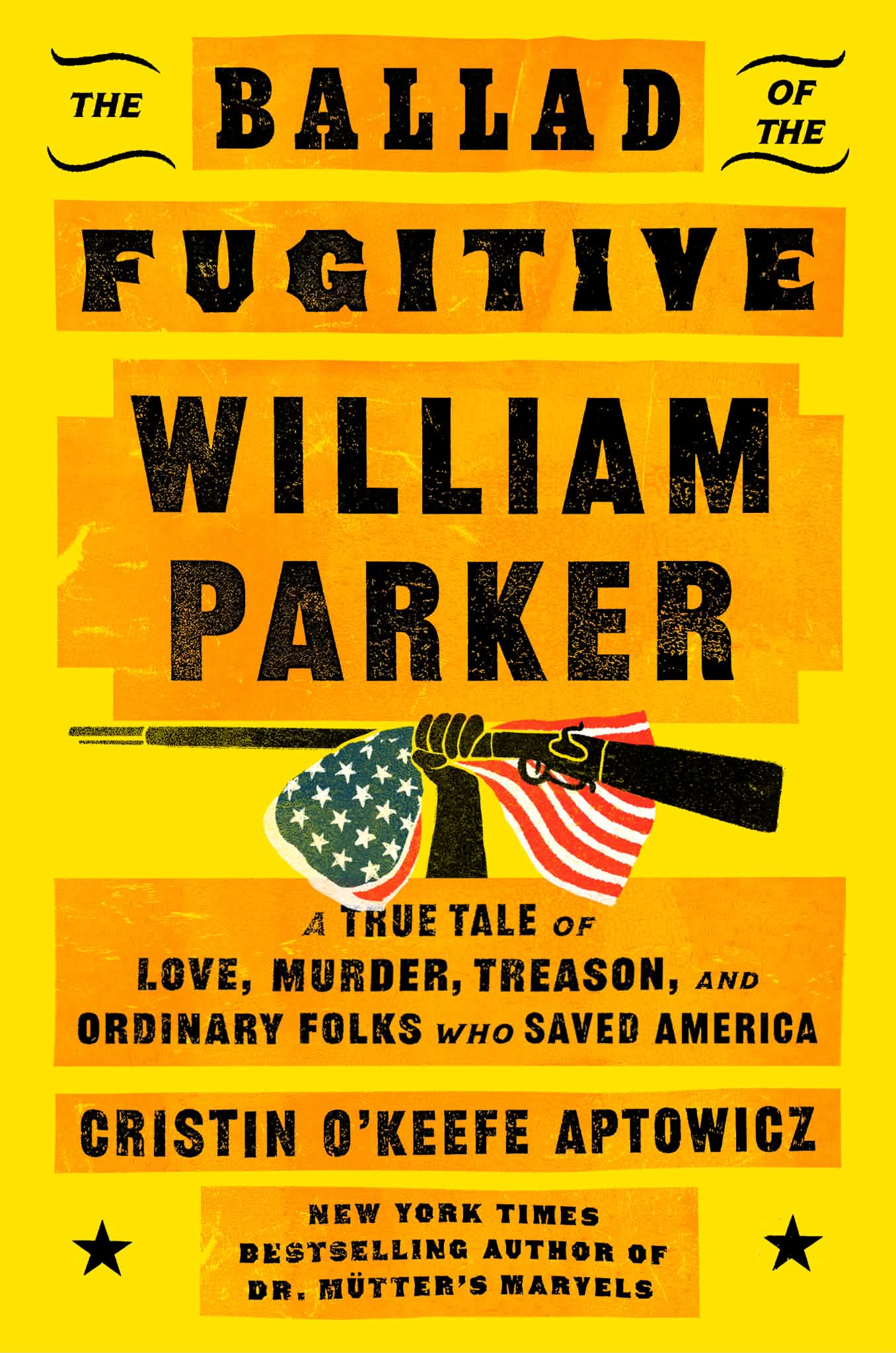
That personal connection led her directly to the story of William Parker, an enslaved teenager who escaped bondage and established himself as a community leader in Lancaster, organizing a multiracial mutual defense coalition of free Black farmers, white Quakers, and self-emancipated people.
While historical accounts often center on prominent figures like Frederick Douglass, Lucretia Mott, Abraham Lincoln and William Lloyd Garrison, Aptowicz emphasizes that historical turning points are frequently driven by everyday folks.
“In this story, I discovered the story of ordinary people who really shifted the narrative of our nation,” she noted.
Aptowicz highlighted how her own Quaker ancestors, known as the seamstresses of the Underground Railroad, contributed their specific skills by sewing new clothes for freedom seekers in the middle of the night and altering children’s attire to evade slave catchers’ bulletins.
“Movement work doesn’t have to be monolithic,” Aptowicz explained. “You don’t need to do everything. Know what you bring to the table. And if you can just bring it to the table, and do it consistently and joyfully, progress will happen.”
Following the passage of the Fugitive Slave Act of 1850, which authorized federal enforcement to recapture escaped slaves in Northern states, in September 1851, Maryland enslaver Edward Gorsuch arrived at Parker’s doorstep with a federal marshal and an armed posse. Parker’s wife sounded a bugle from a second-floor window, signaling neighbors to surround the property with pitchforks, scythes, and pistols. The confrontation left Gorsuch dead and resulted in federal treason charges against dozens of participants. This event, known as the Christiana Resistance, largely faded from public memory.
“I feel like stories of Black agency, when people decided to make textbooks in the 1910s and the 1920s, a story of a Black leader organizing Black citizens to fight against America was not something that they necessarily wanted to put into print or teach children,” Aptowicz said. She observed that the later story of John Brown’s raid on Harper’s Ferry was favored in historical memory because it fit cleaner regional narratives.
Aptowicz, whose previous nonfiction work includes the bestselling “Dr. Mütter’s Marvels” and the poetry history “Words In Your Face,” credits her background in free-verse poetry with shaping her approach to history.
“The muscles I use to write my poetry, I use in writing my nonfiction,” she said. “A poem to me often is noticing something or someone and then examining it deeply to sort of pull out the meanings that could exist in that moment.”
Choosing to write in narrative nonfiction allowed her to reconstruct complex historical truths while capturing the high-stakes intrigue of the period. Across her diverse career, which ranges from poetry collections to medical history, she sees a unified theme.
“They’re about people who didn’t ask permission or didn’t wait for permission to be the people they were destined to be,” Aptowicz reflected.