Words and Photos by Amber Yu
Labubu took the American mainstream by storm in April of 2024. Appearing alongside a growing roster of designer art toys, Labubu emerged as the epicenter of the blindbox craze. Undoubtedly, a new generation of eager collectors descended upon locations containing the toys in droves, swarming the freshly stocked shelves and selling out the website for the latest releases, hoping to pull the perfect plush keychain for their bags, purses, or any available strap already heavily burdened with other charms.
To be honest, what’s the appeal?
At first glance, Labubus seemed like little more than ugly plush toys with exaggerated grins and little else to offer. Where did they even come from? Why do people want them? Like so many encountering the trend for the first time, I dismissed the mischievous creature as a cringeworthy trend that was sure to die off just as fast as it became popular.
Instead, they have become nearly impossible to escape. TikTok feeds were oversaturated with unboxing videos. And everywhere you went, Labubu continued to grin its taunting smile, dangling from the luxury handbags celebrities touted. Resellers listed rare editions for prices that seemed absurd for a furry keychain.
An overwhelming curiosity finally led me to its origin story. The answer led me not to a children’s toy company, but to Pop Mart, a Chinese company whose business model revolves around the blind boxes sold in their retail stores. They promised an exclusive source to fuel the growing demand for official blind boxes—and the only access to Labubus themselves.
The blind box concept isn’t entirely new. Pop Mart’s system draws heavily on Japanese gachapon machines, a form of “harmless gambling.” The stakes for Gachapon are only a few coins for a guaranteed capsule toy dispensed at random. The machines are found in malls, train stations, convenience stores, and specialty stores throughout Japan, transforming a simple purchase into a game of chance.
And, the appeal of chance-based entertainment is hardly foreign to American culture, perhaps why blind boxes caught on so easily. A craving that people tried to fill with buying up blind bag card packs, containing a mystery set of Pokemon or baseball all stars with a chance for a special edition. But they were just meant for display. Unusable and impractical really. Along came Labubus and the blind box craze, and it is easy to imagine the emotional thrill of a guaranteed prize that can be transported and shown off, even where this time might be the pull that yields the rare figure, the favorite character, or the missing piece of a collection.
The gachapon concept felt very distant to someone living in the United States, far from Tokyo or Shanghai’s shopping districts. In addition, Pop Mart seemed like a niche phenomenon that existed entirely online.
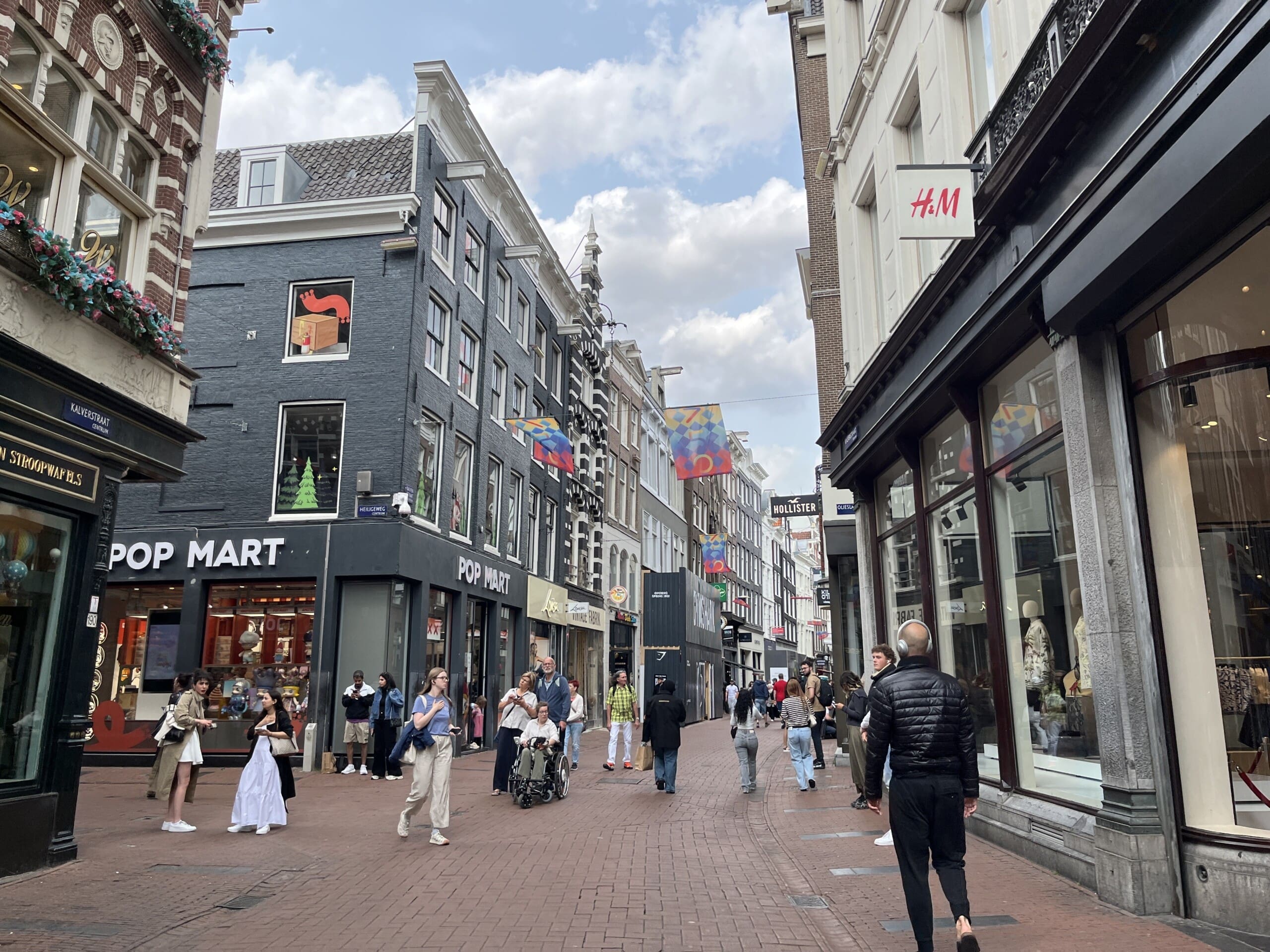
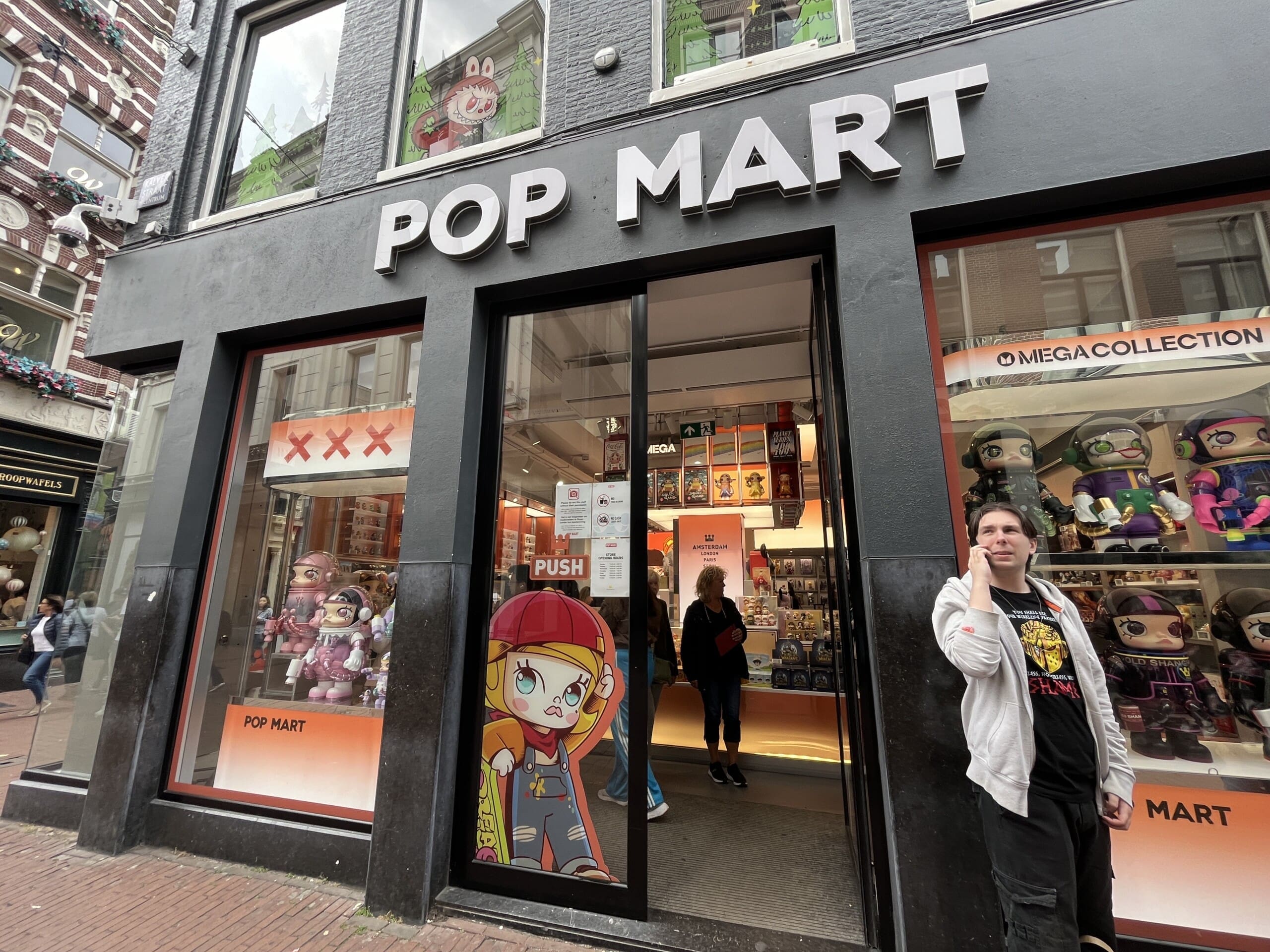
Then I stumbled across one in Amsterdam.
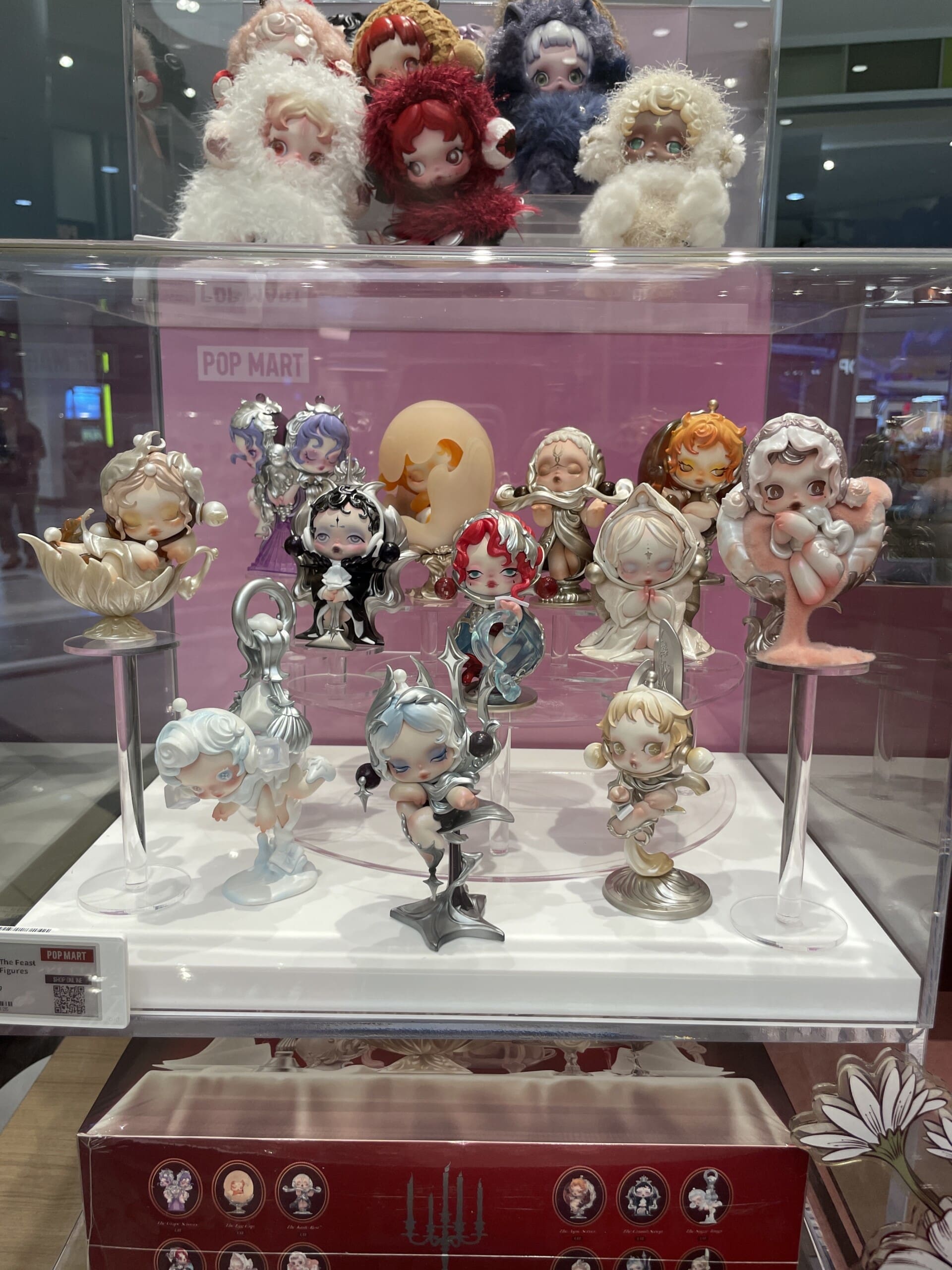
Nestled among the city’s busy shopping streets stood an unassuming black storefront illuminated by a glowing Pop Mart sign. Inside, the store was packed with people admiring the well-lit shelves that stretched from floor to ceiling, lined with hundreds of artist-designed figures and plush toys. The experience felt strangely reminiscent of walking into a candy store as a child. While Labubu occupied center stage, it was Skullpanda’s fashion-forward designs that caught my attention. For the first time, I understood that these weren’t merely toys. They were carefully designed art objects, each with its own aesthetic identity and dedicated audience.
And that realization changed my view of blind box culture entirely.
As if it had just manifested, Pop Mart suddenly opened a location near my home in New Jersey. The surrounding mall transformed around it. Storefronts began selling various blind box lookalikes and a growing assortment of mystery-packaged collectibles. The phenomenon became collectively known as “Lafufus,” the affectionate nickname given to counterfeit Labubus. Usually, something you only see with repeated clothing designs across fashion stores.
What struck me most was not the popularity of any single character, but the way these figures fit into everyday life. Plush keychains dangled from handbags, backpacks across college campus. Figures appeared in aesthetic desk setups and social media photos. Collections were curated with the same care as a wardrobe.
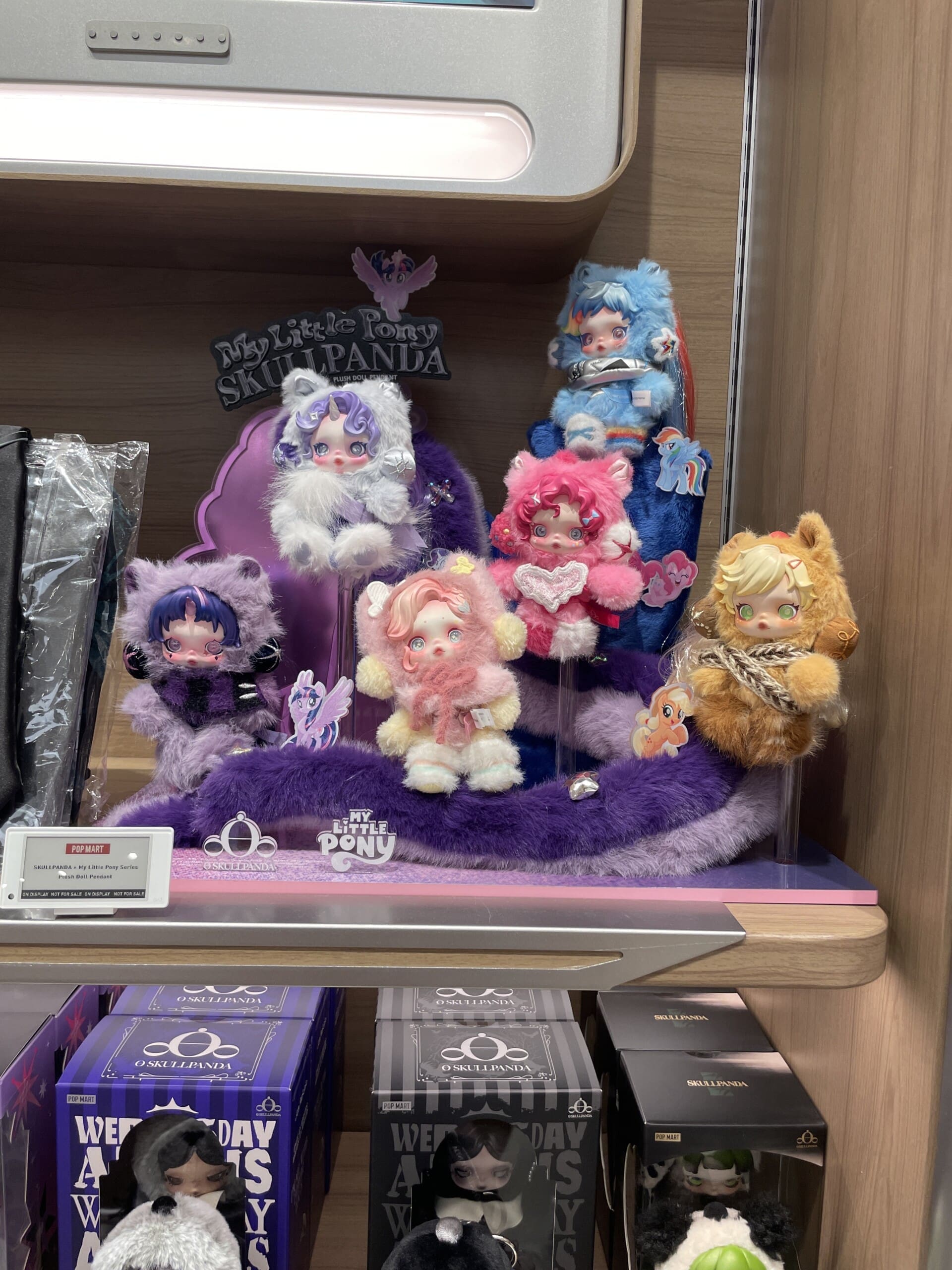
The timing of recent releases only reinforces this shift. Skullpanda’s bag charms blurred the line between toy and fashion accessory entirely. Seeing the Pop Mart’s Skullpanda brand collaborations with My Little Pony sparked my nostalgia, transforming familiar childhood icons into designer collectibles for adult audiences, or rather, the adult me. So, of course, I had to get one. What surprised me the most was the quality. Rather than feeling like a cheap plush keychain, my AppleJack plush felt thoughtfully designed. The details were remarkably polished, from the embroidered apples to the luxurious hair that had a softness and texture reminiscent of a Barbie doll.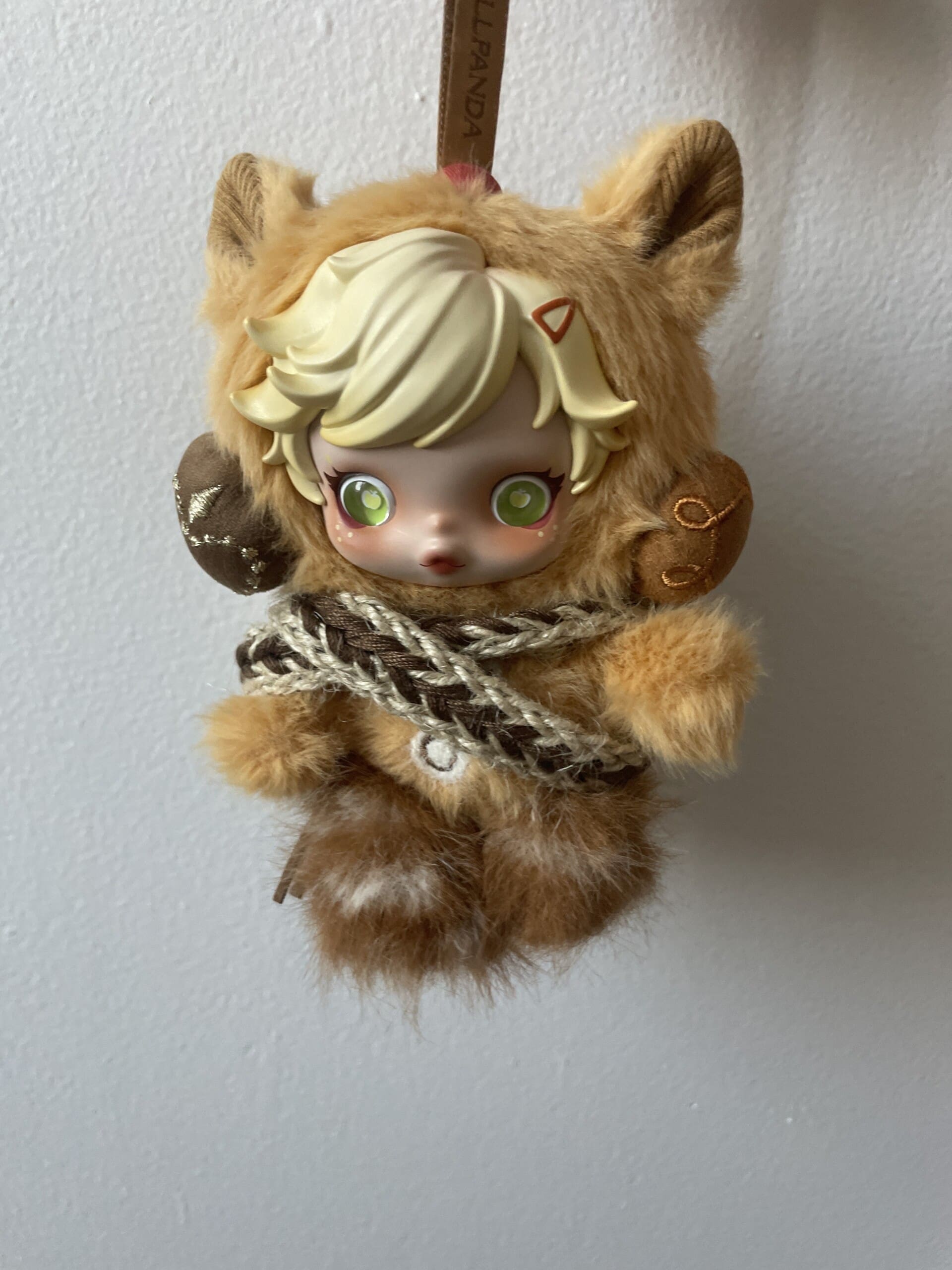
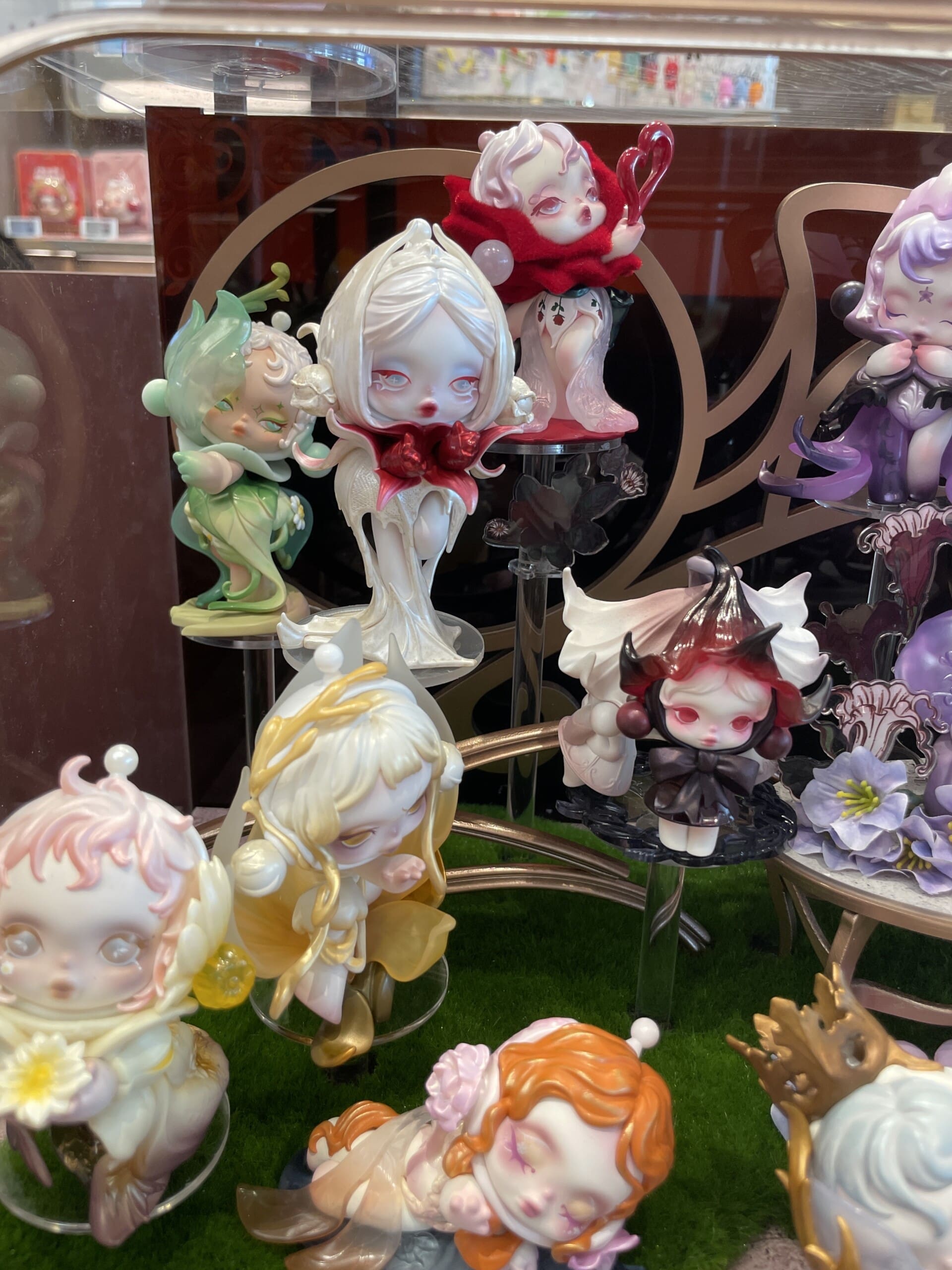
Another release on my must-get list is The Petals in Four Acts series, which demonstrates how art toys have evolved beyond simple collectibles into miniature works of visual storytelling, with each figure contributing to a larger aesthetic narrative. That is, each figurine represents a classic Shakespearean tale of love and tragedy, paired with a flower that best fits, combined into a reimagined, fashion-forward doll that modern audiences would be sure to appreciate over stuffy old texts.
In this sense, modern art toys function differently from traditional collectibles. Previous generations often collected for completion: every trading card, every action figure, every limited-edition release. Today’s collectors appear more interested in curation and culture. A Skullpanda figure, a Hirono display, or a Labubu hanging from a handbag communicates something about the owner’s tastes, interests, and aesthetic sensibilities. The collection becomes less about ownership and more about self-presentation.
This may explain why art toys have flourished in the age of social media. Platforms such as TikTok and Instagram encourage users to construct visual identities through fashion, room decor, photography, and personal aesthetics. Designer toys fit naturally into that ecosystem because they are portable enough to carry, display, and photograph, yet distinctive enough to signal membership within a particular community.
The rise of Pop Mart, then, says less about toys than it does about culture itself. In an increasingly digital world, people continue to seek tangible ways to express who they are. Art toys have become one of the newest languages through which that identity is communicated—part collectible, part accessory, and part personal statement. A transformation from niche designer toys into a ubiquitous symbol of internet-era collecting.